Kristen Mancinelli

Registered Dietitian Nutritionist

You're on a GLP-1
You're coming off a GLP-1
Make every
calorie count.
Protect your muscle mass and diet quality while the medication does its job.
Learn more →
Keep what you
worked for.
Build the nutritional habits that hold your results long-term.
Learn more →
Kristen Mancinelli
Registered Dietitian Nutritionist
Make every
calorie count.
A GLP-1 shrinks your appetite — but not all calories do the same work. Protect your muscle mass and diet quality while the medication does its job.

A GLP-1 makes it easier to eat less. It doesn't promise you'll feel good and like what you see as the weight comes off.

When you eat less than your body needs, it responds predictably by lowering your resting metabolic rate and drawing on both fat and muscle for fuel. Your brain subtly steers you to move less. These aren't "side effects" of a medication — they're the body's normal response to lack of food. It's trying to keep you alive.

If you've spent years trying to lose weight without getting the results you wanted, a GLP-1 is a gift. No more deliberating about what or whether to eat and feeling bad about it anyway. The constant pull of food is gone.

It's a freedom many didn't know was possible.

But it doesn't do everything. The meds take the work of weight loss off your shoulders and hand you the job of preserving muscle and getting enough nutrients—not so easy to do when the thought of food is unpleasant.

The truth is that eating well matters more on a GLP-1 than it ever did before. The quality of your diet, your protein intake, and how seriously you take resistance training are critical. Your nutrition strategy determines whether your body looks toned as it shrinks, whether your face looks vibrant or gaunt, and whether you'll feel like a stronger version of yourself on the other side.

You're already not that interested in food. This is the moment to make it count.

Ready to get started?

Book a call

Prefer to text first?
That works too. →

Also: guidance for coming off a GLP-1

The brain has one job now: return you to your old weight. When the medication stops, the work of staying here begins.

The weight you lost didn't change your brain's sense of where your body belongs. Appetite returns — often stronger than before — and without a plan, the body finds its way back. This isn't a failure of willpower. It's biology doing exactly what it's designed to do.

Here's what's also true: You've already done the hardest part. You lost the weight without the effort it usually demands. You're already living inside a lighter body. You know how good it feels — and that's the most powerful motivator there is.

Keeping the weight off requires the same things that would have been required to lose it without the medication: eating less than your appetite will push you toward, building muscle mass that raises your resting metabolic rate, and organizing your life around more movement than your brain will naturally want. The medication made eating less feel effortless. Now that effortlessness is gone, and the strategy that replaces it has to be deliberate.

Ready to get started?

Book a call

Prefer to text first?
That works too. →

20 years applying nutrition science to help people lose weight and improve metabolic health.

Kristen Mancinelli

I started in chemistry at NYU, expecting to become a scientist. Instead, I found that what interested me most was helping people make sense of complex science and use it to improve their lives. That led me to Columbia University in 2005 for graduate study in nutrition and public health — at a time when obesity and diabetes had become defining public health priorities.

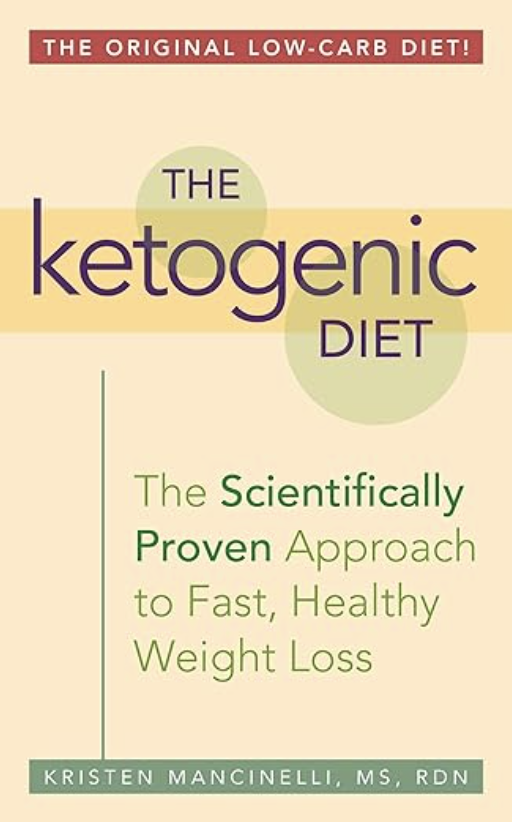
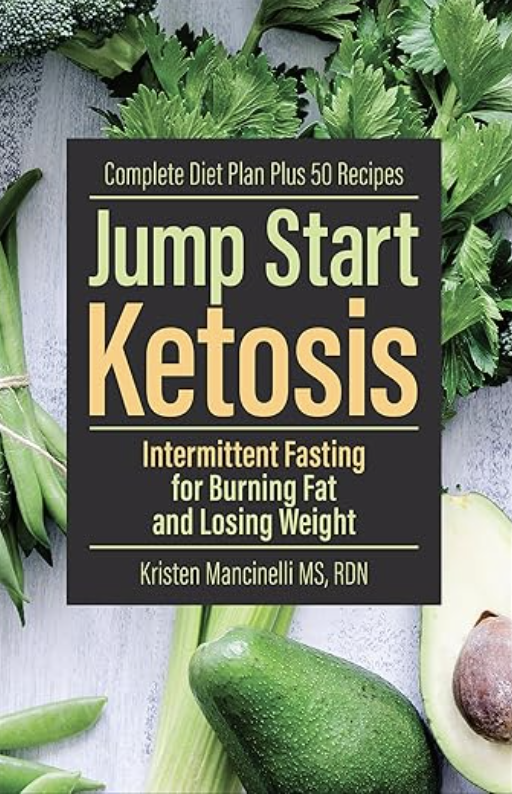
In 2013 I launched a private practice working with adults on weight loss and metabolic health. Even mild insulin resistance was part of the problem for many of my clients, yet the standard advice of the time — to eat frequently and base the diet largely on carbohydrates — was working against them. As a healthcare provider, I had to confront the gap between what is well established in the scientific literature and what is routinely recommended in clinical and public health guidance. That realization led me to write two books: one on the ketogenic diet and one on intermittent fasting, translating the metabolic science of hunger, satiety, and energy balance into practical strategies for people who wanted real agency over their weight and appetite.

Today I focus on helping clients apply those same physiological principles to get the most out of their time on a GLP-1, or maintain their results coming off one.

25
Years in science
& healthcare
BS
Chemistry
MS
Nutrition &
Public Health
RD
Registered Dietitian
"
Kristen helped me eat better, and ultimately feel better, when I didn’t have much interest in eating and had pain when I did. She has consistently offered me simple and effective advice to support my daily routine, and she always has a solution when I feel like something is off balance. This has made all the difference.
Nancy G, 58
"
Kristen guided me through a year-long journey of creating habits to support my weight loss and lower my A1c. Her insights and guidance made the process both comfortable and challenging — and led me to not only achieve my health goals, but also to a lot of personal growth.
Keith M, 49
"
When I began seeing Kristen, my control of my diabetes was erratic and certainly uninformed. Kristen took the time to explain how my eating habits, my exercising and my hunger were all inter-related, and I have been very successful in keeping my glucose in check, as well as becoming stronger, and a better cook too!
Stephanie L, 61

Let's talk about where you are.

A candid conversation to understand your situation, your goals, and whether working together makes sense.

Book a Call

Prefer to text first?
That works too. →